feature
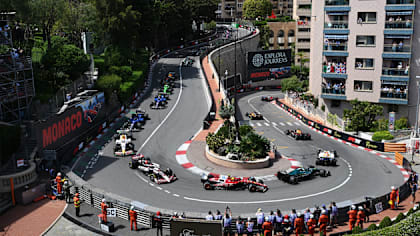
PALMER'S ANALYSIS: Did the two pit stop experiment work in Monaco?
Monaco's unique street circuit has long been synonymous with processional races, where overtaking is notoriously difficult. To inject more excitement and tactical depth into the Principality's Grand Prix, a mandated two-stop strategy was introduced. The primary aim was to keep drivers on edge and encourage them to push harder throughout the race, preventing them from simply managing tires and holding track position.
This regulatory change, while aiming to 'spice up' the event, naturally comes with both advantages and disadvantages. On one hand, it forces teams to engage in more complex strategic planning and provides more opportunities for positions to change in the pit lane. On the other hand, it might still struggle to significantly improve on-track overtaking given the circuit's inherent limitations. The debate continues whether this two-stop rule successfully achieved its goal of making the Monaco Grand Prix a more thrilling spectacle, especially after this Sunday's race, which once again highlighted the challenges of passing in the principality.