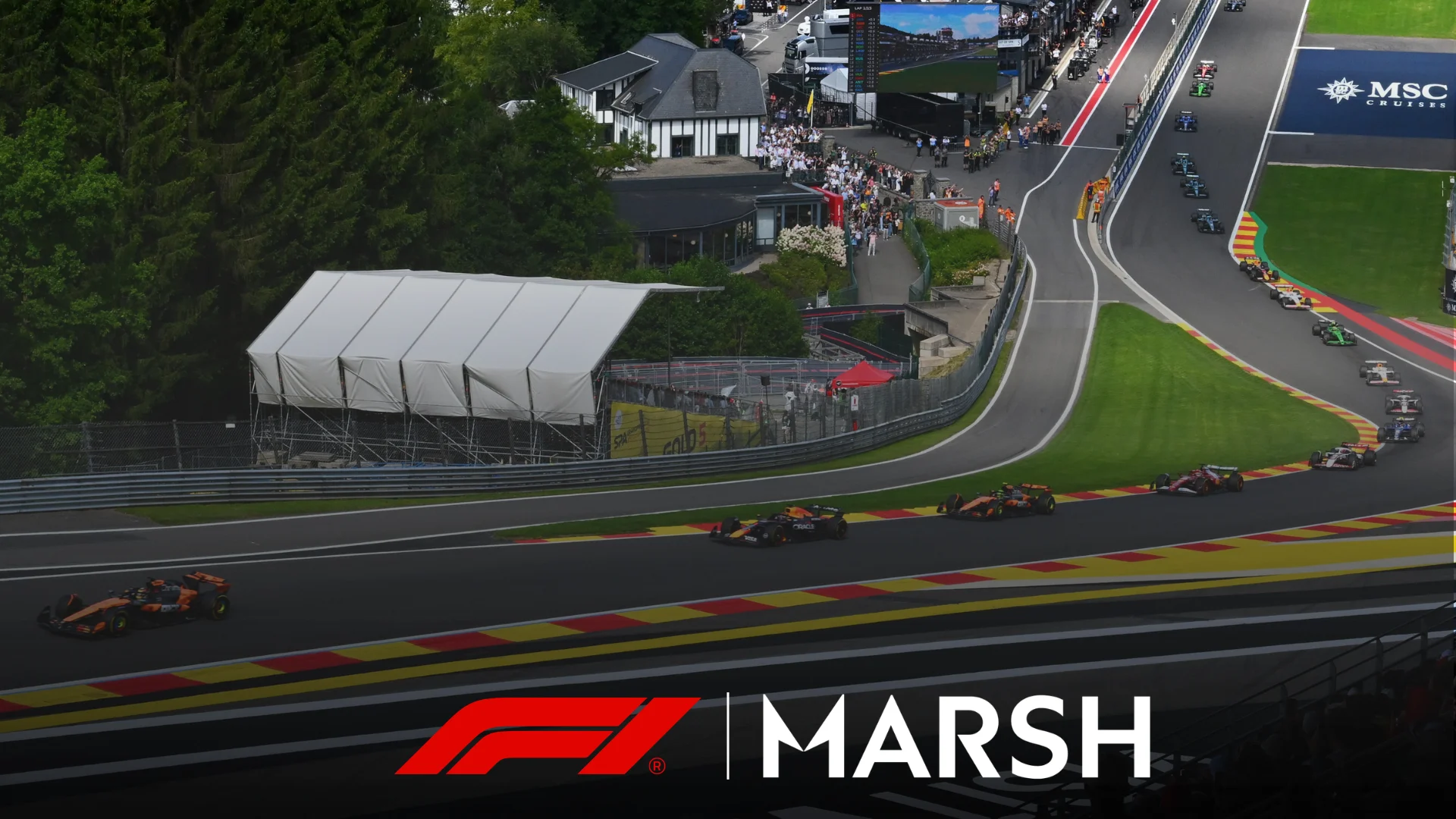
How F1 drivers and strategists tackle the Belgian Grand Prix
Spa-Francorchamps, known as the 'Beast of the Ardennes,' remains a pinnacle of Formula 1, blending historical prestige with an ultra-high-speed layout that demands a delicate balance between downforce for technical sections like Pouhon and low drag for long straights. The unique 7.004km circuit poses significant strategic challenges, particularly regarding energy management and unpredictable weather that can change in a heartbeat, often forcing teams into difficult choices between one and two-stop strategies.
Ahead of the weekend, engineers like Cadillac's Xavier Marcos Padros emphasize the critical importance of simulation and precise setup work during practice. The advent of active aerodynamics adds a new layer to the classic Spa conundrum: sacrificing straight-line speed for cornering performance versus maximizing top-end speed on the Kemmel Straight. Drivers like Williams' Alex Albon note that Spa’s flow offers better energy recovery opportunities compared to circuits like Silverstone, though the margin for error remains razor-thin.
Reflecting on its rich history, Spa has been the site of legendary performances, from Michael Schumacher's maiden win in 1992—where he masterfully gambled on slick tyres—to Nick Heidfeld's brilliant wet-weather tactical drive in 2008. As Formula 1 returns to this iconic Belgian venue, the interplay between driver instinct, team strategy, and the erratic Ardennes climate ensures that the 'Risk Perspective' remains at the heart of the race weekend.