explained
All you need to know about F1 aerodynamics for 2026
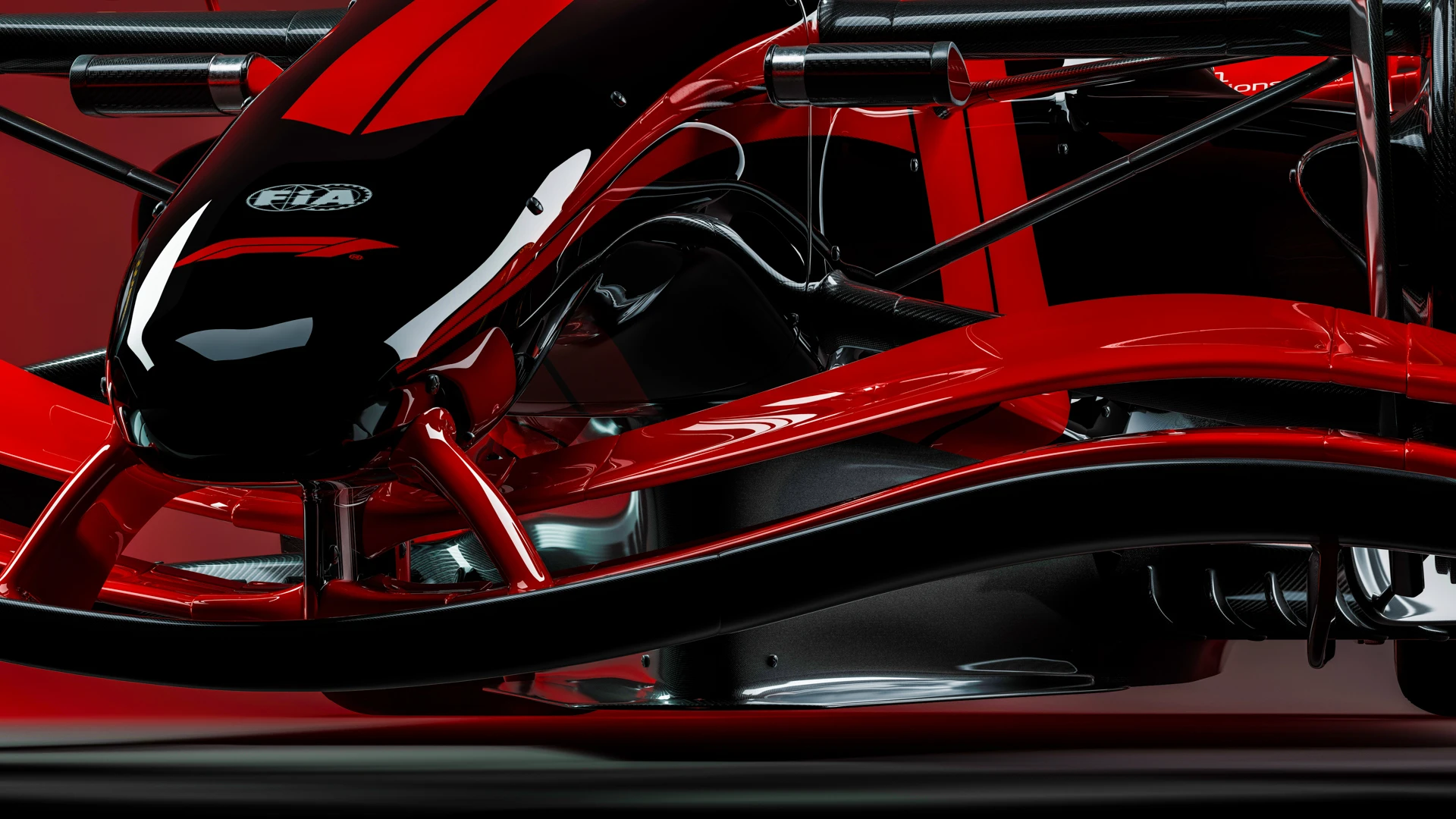
Formula 1 is set for an unprecedented overhaul in 2026, introducing a completely new chassis philosophy, engine formula, and aerodynamic concept. The aim is to make cars lighter, more nimble, and significantly improve overtaking opportunities. Key changes include a reduced minimum weight of 768kg, a shorter wheelbase, and narrower dimensions, alongside slimmer tires. Aerodynamically, cars will feature simplified front wings, new bargeboards, and a flat floor replacing ground-effect tunnels, all designed to promote closer racing by preventing turbulent 'out-washing' air. Furthermore, active front and rear wing elements will allow drivers to optimize for downforce in corners or reduced drag on straights, replacing the traditional DRS. Despite these radical shifts, safety remains paramount with tougher crash tests. These comprehensive regulations promise a dramatic shake-up of the pecking order and more thrilling wheel-to-wheel action.