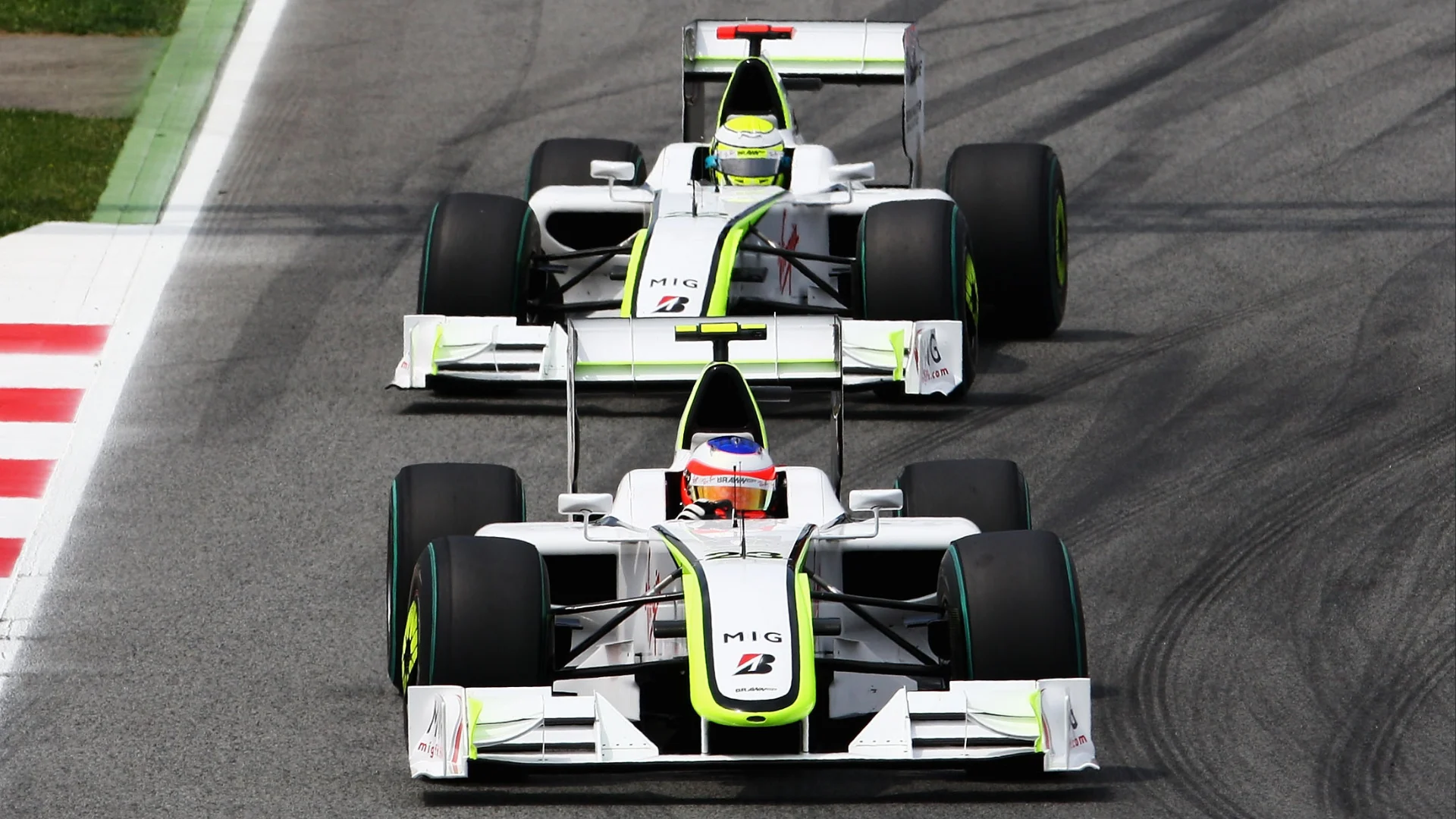
Key regulation changes in F1 history – and who nailed them
F1's rich history is defined by pivotal regulation changes that frequently reshaped the competitive landscape. From the 1961 engine capacity cut benefiting Ferrari, to the rise and fall of ground effect cars, and the dominance of turbo engines and electronic aids, each era saw teams adapt uniquely. Adrian Newey's ingenuity famously helped McLaren in 1998 and later Red Bull in 2022 with the return of ground effect. Mercedes capitalized on the 2014 turbo-hybrid revolution, establishing an unparalleled winning streak. As the sport prepares for a monumental overhaul in 2026 with new power units, active aerodynamics, and revised chassis designs, the question remains: which team will master the next era?