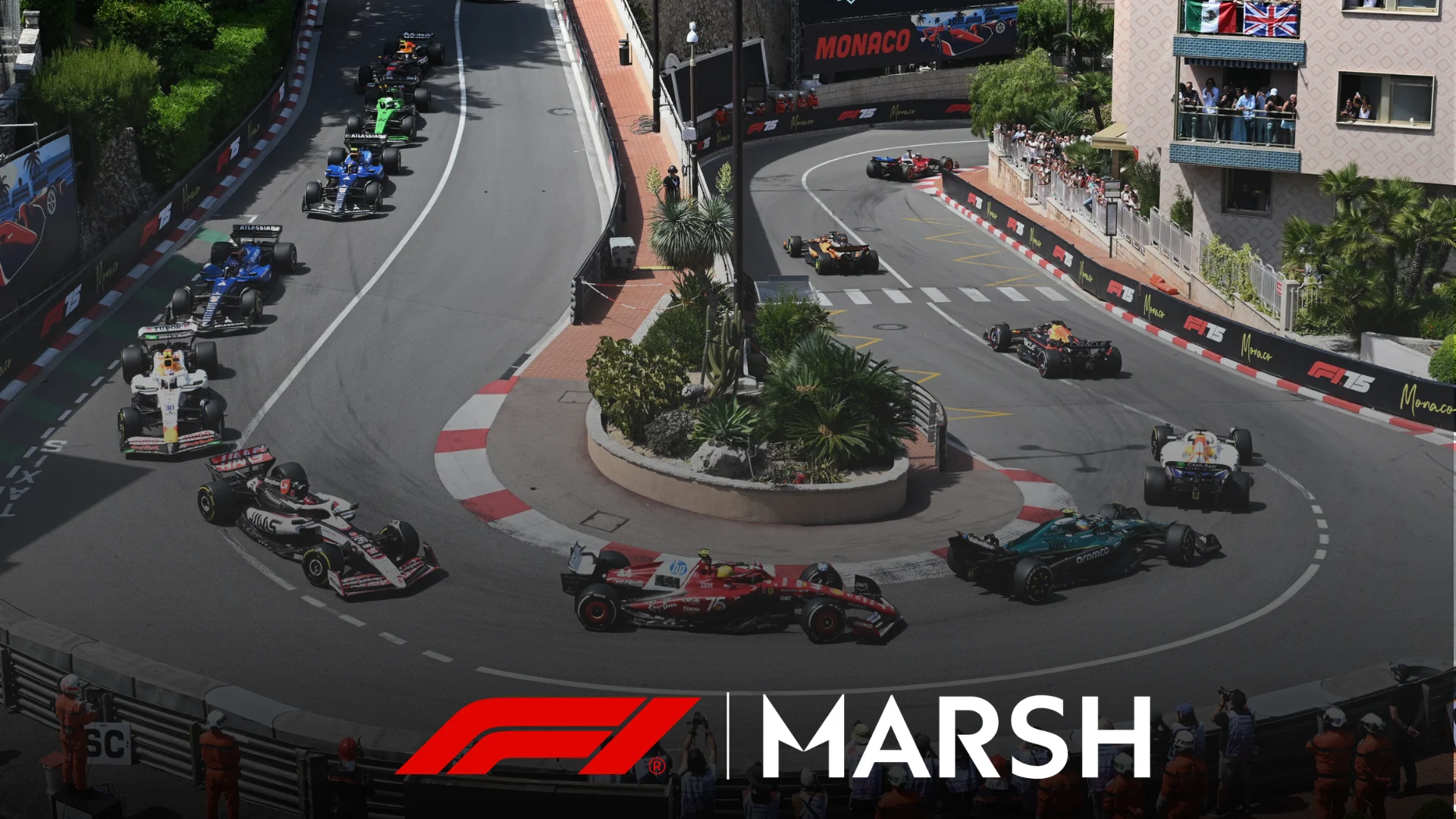
How F1 drivers and strategists tackle the Monaco Grand Prix
Monaco remains a unique test of nerve and strategy in Formula 1, where track position is paramount. Alpine Racing Director Dave Greenwood notes that teams prioritize qualifying over race pace, as overtaking is notoriously difficult. Strategy often revolves around safety car windows and team tactics, while Audi Head of Race Engineering Alex Chan explains that set-up is a delicate balance between mechanical stiffness for ride quality and maintaining aerodynamic efficiency. Drivers face cooling challenges due to the lack of long straights, necessitating careful management of engine and brake temperatures.
Despite the technical challenges, the driver's role remains central. Williams' Alex Albon believes that while the 2026 car regulations differ, the mental demand and risk tolerance required to navigate the tight circuit remain high. The track's infamous sections, such as the Swimming Pool complex, demand absolute precision, where a minor error can end a weekend, as seen in past incidents involving stars like Charles Leclerc and Max Verstappen. History honors those who mastered these streets, from Graham Hill's legendary 1965 drive to Olivier Panis's tactical masterclass in 1996, highlighting that in Monaco, calculated risk-taking is the ultimate key to success.